Tracing Expansion Patterns in Shared Jackpot Accumulations Across Digital Slot Platforms
Written by Frankie Carter · Aug 2, 2026
Tracing Expansion Patterns in Shared Jackpot Accumulations Across Digital Slot Platforms
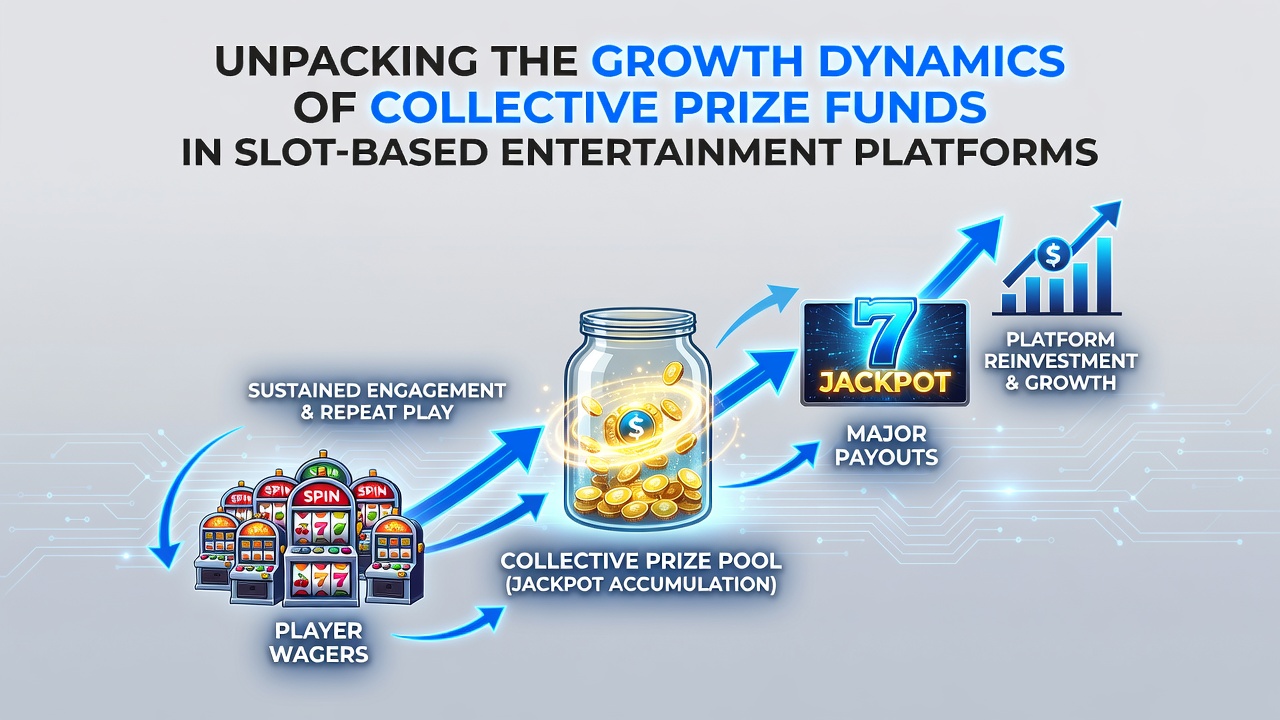
Shared jackpot systems continue to scale as operators connect increasing numbers of slot titles across multiple jurisdictions, and data from industry monitoring groups shows steady rises in aggregate prize pools through 2025 and into 2026. Observers note that these collective funds grow when each wager contributes a small percentage to a central pool, creating larger potential payouts that draw participation from wider player bases.
Core Mechanics Driving Pool Growth
Operators configure contribution rates between 1 and 3 percent of each bet, while network software tracks real-time additions from thousands of connected machines or online sessions. Researchers at gaming analytics firms document how higher connection volumes accelerate accumulation rates, particularly when platforms link games across desktop, mobile, and land-based terminals simultaneously. Figures from the American Gaming Association reveal that interconnected progressive networks in regulated markets added an average of 12 percent more to daily pool totals compared with isolated single-game progressives during the first half of 2026.
Regional Variations in Accumulation Trends
European operators have expanded cross-border linkages since late 2025, whereas North American platforms focus on state-level networks that comply with individual regulatory frameworks. Australian data from the Queensland Government Statistician's Office indicates that pooled systems in that jurisdiction grew 18 percent year-over-year through August 2026, driven by increased mobile integration and seasonal tourism spikes. Those patterns differ from Canadian provincial models, where daily contribution caps and player protection thresholds moderate the speed of pool expansion.
Technology Infrastructure Supporting Larger Pools
Modern jackpot controllers use distributed ledger elements and high-frequency transaction logging to maintain accuracy across continents, and vendors such as IGT and Scientific Games supply the backend systems that synchronize contributions within milliseconds. Experts from the University of Nevada, Las Vegas gaming research center point out that latency reductions allow pools to incorporate wagers from previously disconnected markets without creating reconciliation delays. This infrastructure upgrade supports the addition of new game themes every quarter, each feeding the same collective fund and thereby increasing total contributions.

Platform operators report that seed funding amounts have also risen, with minimum guarantees climbing from five-figure to six-figure levels in several major networks. Those adjustments reduce the time between large payouts and subsequent resets, maintaining consistent player interest while the underlying pool rebuilds. Data compiled by the Canadian Gaming Association shows that networks resetting at higher base levels experienced 9 percent greater daily contribution volumes in the months following each reset during 2026.
Player Behavior and Contribution Patterns
Analytics platforms track how players allocate bets across multiple titles within the same progressive family, and session data indicates that many users increase wager sizes when visible pool totals exceed certain thresholds. Researchers note that this behavioral response creates a feedback loop where larger displayed amounts generate proportionally higher contributions per active user. European trade bodies tracking multi-jurisdiction networks recorded similar patterns, with average bet sizes rising 7 percent once collective funds crossed the €5 million mark in monitored systems.
Regulatory Influences on Pool Structures
Authorities in several markets have introduced transparency requirements around contribution percentages and reset values, requiring operators to publish these parameters in game rules. Such rules affect how quickly pools grow but also standardize reporting, allowing comparative analysis across operators. In August 2026, updated guidelines from the Malta Gaming Authority clarified disclosure standards for pooled systems, leading some platforms to adjust contribution rates downward while expanding the number of connected titles to offset slower per-game accumulation.
Conclusion
Collective prize funds in slot platforms expand through the combined effects of wider network connections, refined technical infrastructure, and measurable shifts in player wagering behavior. Data from multiple regulatory and research sources document consistent growth across regions despite differing oversight approaches, while technology upgrades continue to support larger and more frequent contributions. These dynamics shape the operational scale of progressive systems without altering the fundamental percentage-based contribution model that underpins shared jackpots worldwide.