Tracing Bonus Allocations Through Shared Prize Networks in Digital Gaming Platforms
Written by Frankie Carter · Aug 21, 2026
Tracing Bonus Allocations Through Shared Prize Networks in Digital Gaming Platforms
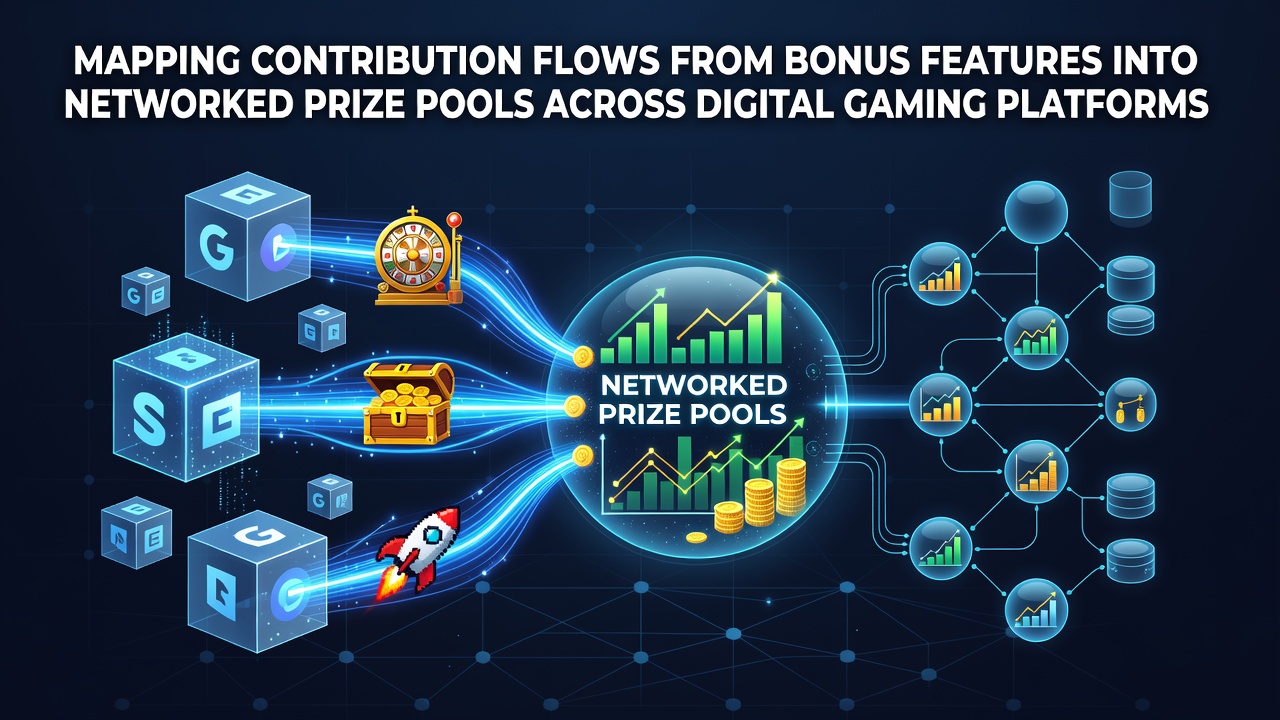
Digital gaming platforms route portions of bonus activations into networked prize pools through structured allocation models that track every contribution across multiple operators and jurisdictions. These systems rely on real-time ledgers maintained by platform providers who record each bonus trigger and divert a fixed percentage into collective jackpots that span several sites at once.
Core Mechanics of Bonus-to-Pool Transfers
Operators configure bonus features so that a defined slice of the underlying stake feeds directly into the pool upon activation, while the remainder supports individual game returns. This split occurs automatically through backend scripts that flag qualifying bets and route them according to pre-set ratios. Data from platform audits in August 2026 shows consistent application of these ratios across major networks operating in North America and Europe.
Networked pools aggregate these micro-contributions from thousands of sessions each hour, creating visible growth in jackpot meters displayed on participating sites. The process uses standardized APIs that allow different gaming suppliers to contribute without exposing proprietary game logic, ensuring that each platform receives credit for its share while the pool balance updates uniformly.
Regional Regulatory Frameworks Guiding Allocations
Authorities in multiple regions require transparent reporting of how bonus funds enter shared pools. The Nevada Gaming Control Board mandates that operators submit monthly breakdowns detailing the exact percentages diverted from bonus play, and similar requirements appear in Canadian provincial frameworks administered through bodies such as the Alcohol and Gaming Commission of Ontario. These rules create audit trails that map every bonus dollar from activation to pool deposit.
Industry groups including the European Gaming and Betting Association publish guidelines that help platforms standardize contribution logic across borders, reducing discrepancies when players move between licensed operators. Research from academic teams at institutions studying gambling economics confirms that these standardized flows reduce variance in pool growth rates and improve predictability for both operators and regulators.
Technical Mapping of Contribution Pathways
Platform engineers build contribution engines that tag each bonus event with metadata including game identifier, stake amount, and bonus type before the funds reach the pool. This tagging enables downstream reconciliation when multiple networks merge or split during platform migrations. Observers note that the metadata layers also support dispute resolution when jackpot claims arise, because every contribution carries a verifiable timestamp and source code reference.
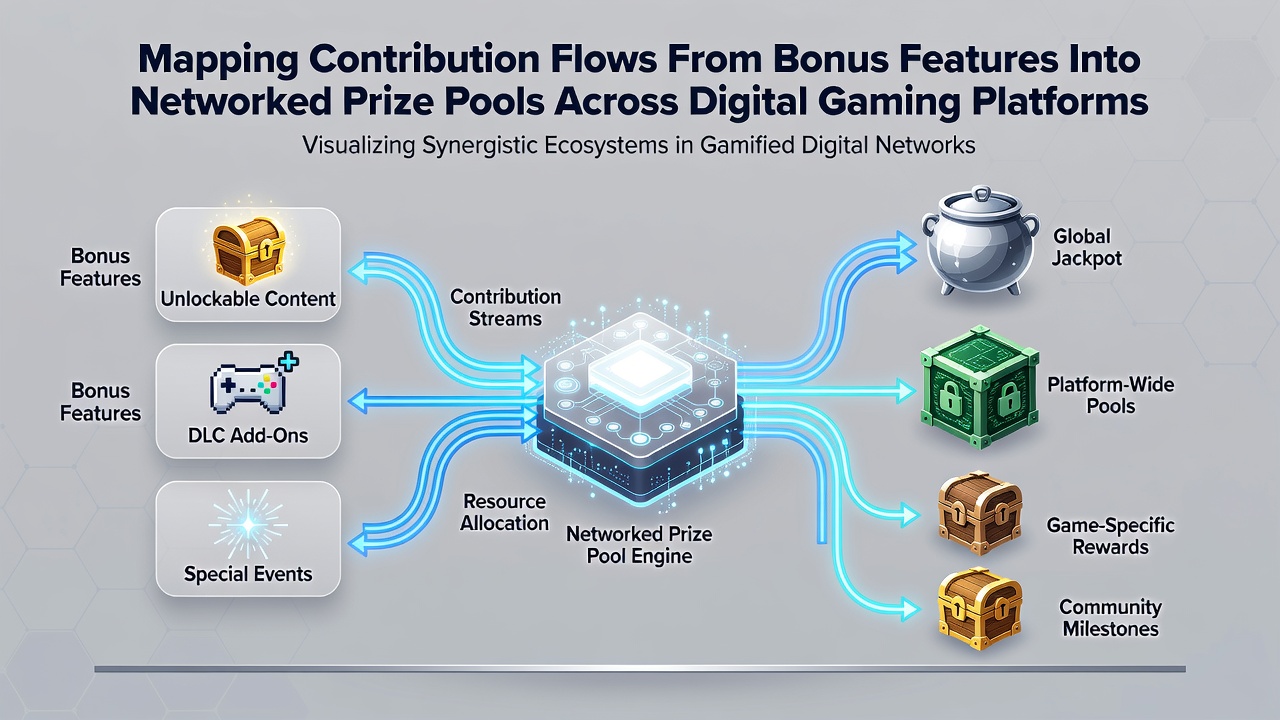
One documented case involved a European network that integrated three separate bonus systems in early 2026; the mapping process revealed that certain free-spin bonuses contributed at 1.2 percent while deposit-match bonuses fed in at 0.8 percent, differences that required adjustment to maintain pool fairness. Such adjustments occur through configuration updates rather than code rewrites, allowing rapid response to regulatory queries.
Cross-Platform Visibility and Player Tracking
Players encounter unified jackpot displays that draw from the aggregated pool, yet individual contributions remain segmented by originating platform for internal accounting. This separation preserves operator autonomy while delivering the shared prize experience. Studies conducted by research consortia in Australia indicate that players interact more frequently with games when they can view real-time pool growth tied to their bonus activity, though exact behavioral metrics stay proprietary.
Security protocols encrypt contribution data during transit between sites, and periodic third-party verifications confirm that no funds bypass the designated allocation paths. These verifications typically occur quarterly and include sample testing of bonus triggers to ensure the mapped percentages match live operations.
Future Developments in Contribution Mapping
Emerging standards propose blockchain-based ledgers for recording every bonus-to-pool transfer, which would allow independent verification without relying solely on operator-maintained databases. Early pilots in select markets have demonstrated reduced reconciliation times when disputes occur, though widespread adoption remains under discussion among platform providers and regulatory bodies outside the United Kingdom.
Conclusion
Mapping contribution flows from bonus features into networked prize pools requires coordinated technical, regulatory, and operational elements that together maintain transparency across digital gaming platforms. Continued refinement of these mapping processes supports consistent pool growth and regulatory compliance in markets worldwide.