Networked Progressives and Cross-Site Player Pools: Building Larger Jackpots in the UK Market
Written by Paul Foster · Aug 14, 2026
Networked Progressives and Cross-Site Player Pools: Building Larger Jackpots in the UK Market
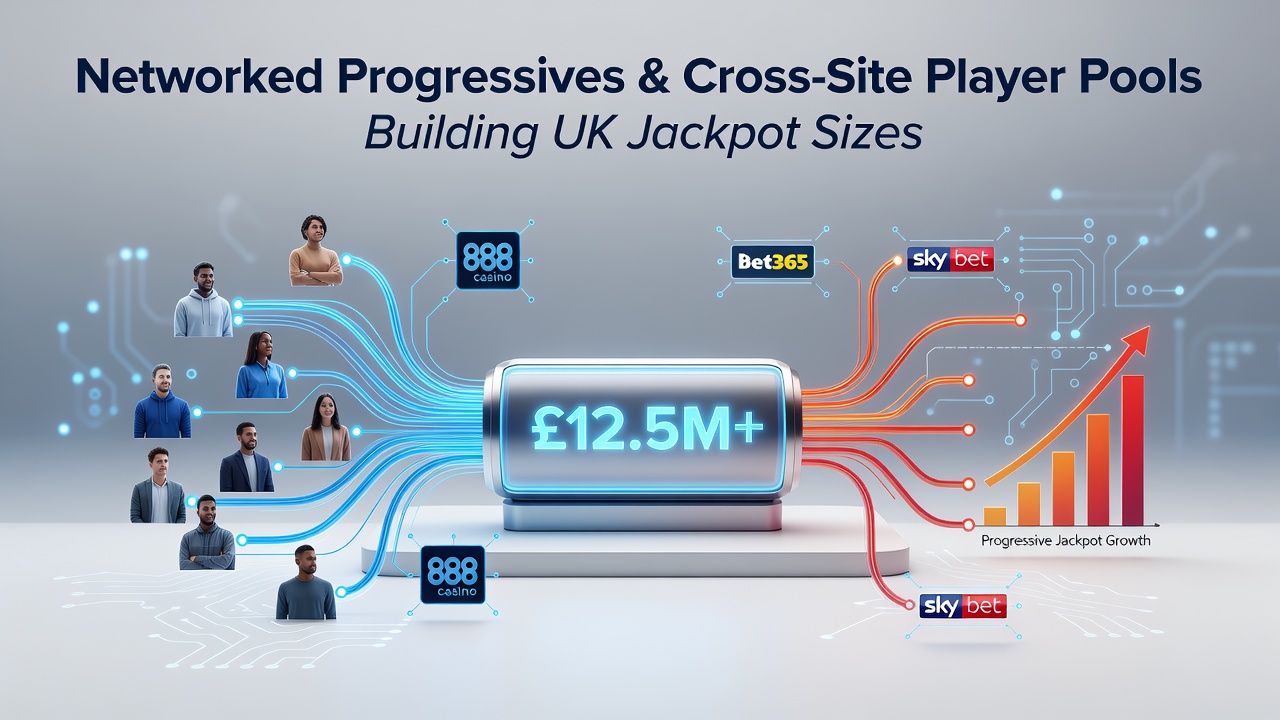
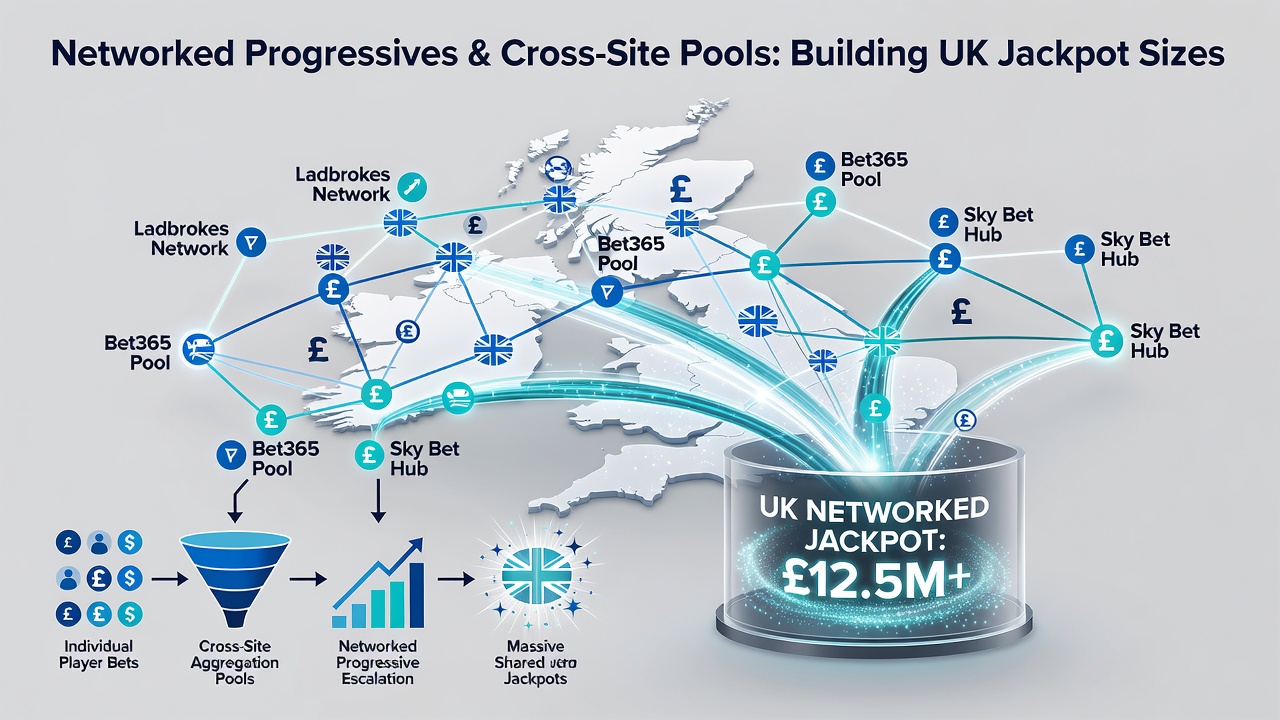
Networked progressives operate through interconnected systems where multiple online platforms contribute portions of each wager into a single growing prize fund, and this structure allows jackpot amounts to climb faster than they would on isolated games. Cross-site player pools expand the contributor base because participants from various operators feed the same meter, which accelerates accumulation rates while maintaining regulatory compliance within UK frameworks.
Mechanics of Networked Progressive Systems
Each participating site routes a percentage of stakes from designated slots into a central server that tracks the collective total, and this setup creates a shared liability that operators manage through predefined contribution rates. When a player triggers the jackpot, the winning amount reflects the aggregated pool minus any administrative fees, after which the meter resets to a base level before contributions resume. Data from industry analyses shows that such networks require synchronized software protocols to prevent discrepancies, and synchronization ensures every transaction updates the visible prize in real time across all connected platforms.
Role of Cross-Site Player Pools in Growth
Player pools spanning several sites increase the frequency of contributions because thousands of additional wagers enter the system daily, and this volume drives steeper upward trajectories for the jackpot value. Operators calculate contribution percentages based on expected player traffic, with higher-traffic networks allocating smaller slices per bet to reach equivalent totals. Figures reveal that pooled arrangements can multiply daily increments by factors of three to five compared with single-site progressives, depending on the number of linked platforms and average bet sizes recorded in operational logs.
UK Market Implementation Patterns
UK-facing operators integrate these networks through licensed software providers that maintain separate ledgers for each jurisdiction, and this separation preserves compliance while permitting cross-site pooling within permitted boundaries. Participation agreements outline revenue splits, audit trails, and dispute resolution procedures that all parties follow during jackpot payouts. In August 2026, aggregated transaction records indicated continued expansion of such networks, with several new platform integrations reported by mid-month that further broadened contributor bases without altering existing prize structures.
Comparative Data from International Sources
Reports issued by the Nevada Gaming Control Board highlight parallel pooling mechanisms in other regulated markets, where shared meters have produced comparable growth patterns under different tax regimes. Academic papers from the Australian Gambling Research Centre document how contributor volume directly correlates with payout frequency, providing benchmarks that UK operators reference during network design. These external datasets demonstrate that pooling effects remain consistent across jurisdictions when participant numbers exceed certain thresholds, although exact multipliers vary with local stake limits and game volatility settings.
Technical Infrastructure Requirements
Secure application programming interfaces handle real-time data exchange between sites and the central jackpot server, while encryption protocols protect transaction integrity during transmission. Backup systems activate automatically if connectivity drops, ensuring no contributions are lost and meters continue updating once connections restore. Observers note that redundancy measures have become standard since early network deployments, reducing downtime incidents that previously affected prize visibility for players across linked platforms.
Conclusion
Networked progressives combined with cross-site player pools establish larger jackpot trajectories through increased contribution volume and synchronized tracking, and UK implementations continue to evolve alongside technical standards documented in regulatory filings. International comparisons from bodies such as the Nevada Gaming Control Board and research from the Australian Gambling Research Centre supply context for understanding these dynamics without reliance on any single source. Continued integration of additional platforms in periods such as August 2026 sustains the growth patterns already embedded in current operational models.