Network Dynamics Connecting Solo Spins to Shared Prize Pools in Virtual Reel Systems
Written by Jonas Becker · Jun 21, 2026

Network Dynamics Connecting Solo Spins to Shared Prize Pools in Virtual Reel Systems
Core Architecture of Spin-to-Pool Linkages
Virtual reel systems operate through layered network structures that track every spin contribution across distributed machines and aggregate those inputs into unified prize pools, and researchers have mapped these pathways using graph-based models that represent spins as nodes while edges denote contribution flows to central jackpot ledgers. Data from industry reports shows each spin allocates a fixed percentage of the wager directly to the pool via real-time protocols that update balances across multiple virtual instances simultaneously. Observers note these mappings rely on timestamped transaction logs that prevent duplication errors while ensuring every player action registers accurately within the collective fund.
Technical Mapping Methods in Practice
Engineers employ directed acyclic graphs to chart how individual reel outcomes feed into broader prize accumulations, and these graphs highlight bottlenecks where high-volume spin clusters accelerate pool growth rates. Studies from the International Gaming Institute at the University of Nevada have documented how virtual reel algorithms assign unique identifiers to each spin before routing portions of bets through secure channels that converge at pool servers. What's interesting is that mapping reveals feedback loops where pool size influences future spin probabilities in certain system designs, although core contribution mechanics remain constant regardless of pool scale. Those who've examined the codebases find that middleware layers handle the translation between player terminals and central ledgers, which reduces latency during peak activity periods.
Case examples include progressive networks spanning thousands of virtual reels where a single high-stakes spin in one region instantly reflects in pool totals visible to users elsewhere, and this synchronization depends on millisecond-level data exchanges that mapping tools visualize as radial connection patterns. Research indicates such visualizations help operators identify underutilized pathways that could optimize contribution efficiency without altering payout structures.
Contribution Tracking and Verification Protocols
Verification systems cross-reference spin logs against pool increments using cryptographic hashes that confirm each contribution's legitimacy, and external audits from bodies like the Nevada Gaming Control Board have validated these protocols across multiple deployments. Experts have observed that mapping extends beyond basic tracking to include anomaly detection modules which flag irregular spin patterns that might indicate technical faults rather than standard play. In June 2026 updates to these verification frameworks incorporated enhanced encryption standards that further secure the linkages between remote player actions and centralized funds.
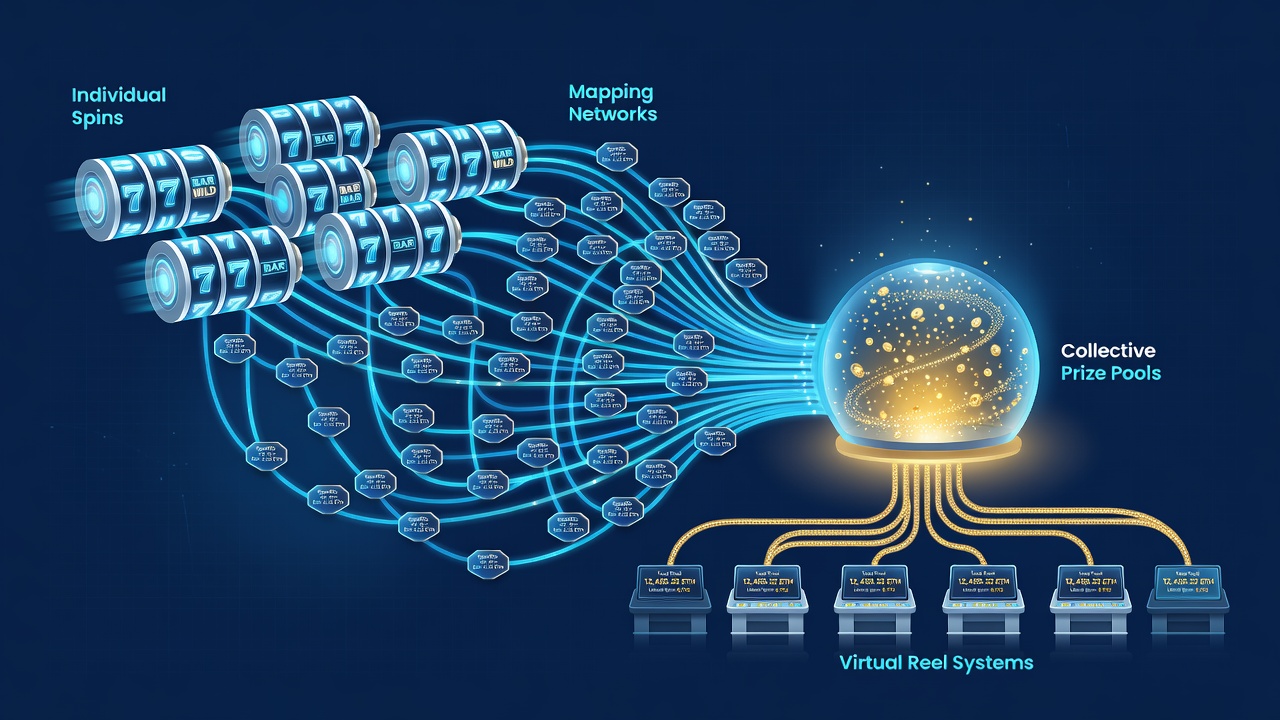
Analysts at the Australian Gambling Research Centre have published findings on how network topology affects resilience, noting that redundant pathways ensure pool integrity even if individual nodes experience downtime. These topologies often feature hub-and-spoke arrangements where peripheral spins funnel through aggregator nodes before reaching the main pool, which streamlines reconciliation processes during payout events.
Regional Variations in Network Implementations
Systems deployed in North American markets tend toward centralized mapping architectures that consolidate contributions from wide geographic areas, whereas European implementations frequently distribute mapping functions across regional clusters to comply with varying data residency rules. Reports from the European Gaming and Betting Association detail how these distributed models maintain consistent contribution percentages while adapting to local bandwidth constraints. The ball's in the operators' court to maintain accurate mappings that align with jurisdictional requirements, and data shows compliance improves when networks incorporate automated adjustment features.
One study revealed that smaller operators benefit from cloud-based mapping services that scale contribution tracking without heavy infrastructure investments, and this approach has gained traction among mid-tier platforms seeking to offer pooled prizes. Those mapping exercises also account for currency conversions in multi-jurisdiction setups, which adds complexity but preserves the proportional allocation from each spin.
Future Mapping Enhancements and Industry Trends
Advances in real-time analytics now allow dynamic remapping of contribution routes based on traffic patterns, and this flexibility supports larger prize pools without proportional increases in system load. Industry organizations continue to refine standards that ensure mapping remains transparent for regulatory reviews, while machine learning integrations help predict pool trajectories from historical spin data. The reality is that robust network documentation remains essential for troubleshooting and expansion planning across the sector.
Conclusion
Network mappings in virtual reel systems establish clear connections between individual spins and collective prize pools through structured data flows and verification layers, and continued refinements in these architectures support reliable operation across diverse platforms. Evidence suggests that precise mapping techniques underpin the functionality of shared reward mechanisms, which in turn sustain player engagement through visible accumulation processes. Observers note ongoing developments in tracking technologies will likely expand the scope and accuracy of these linkages in coming periods.