Interconnected Prize Webs: How Game Studios Collaborate on Shared Slot Accumulators
Written by Finley Müller · Jul 19, 2026

Interconnected Prize Webs: How Game Studios Collaborate on Shared Slot Accumulators
Game studios increasingly form alliances to build shared progressive systems where contributions from players across different titles feed into common accumulator pools, and this approach expands prize potential while distributing development costs among participants. Data from industry reports shows these networks operate through centralized servers that track bet percentages from each connected game, then route portions into growing jackpots that any linked title can trigger.
Mechanics Behind Resource Pooling
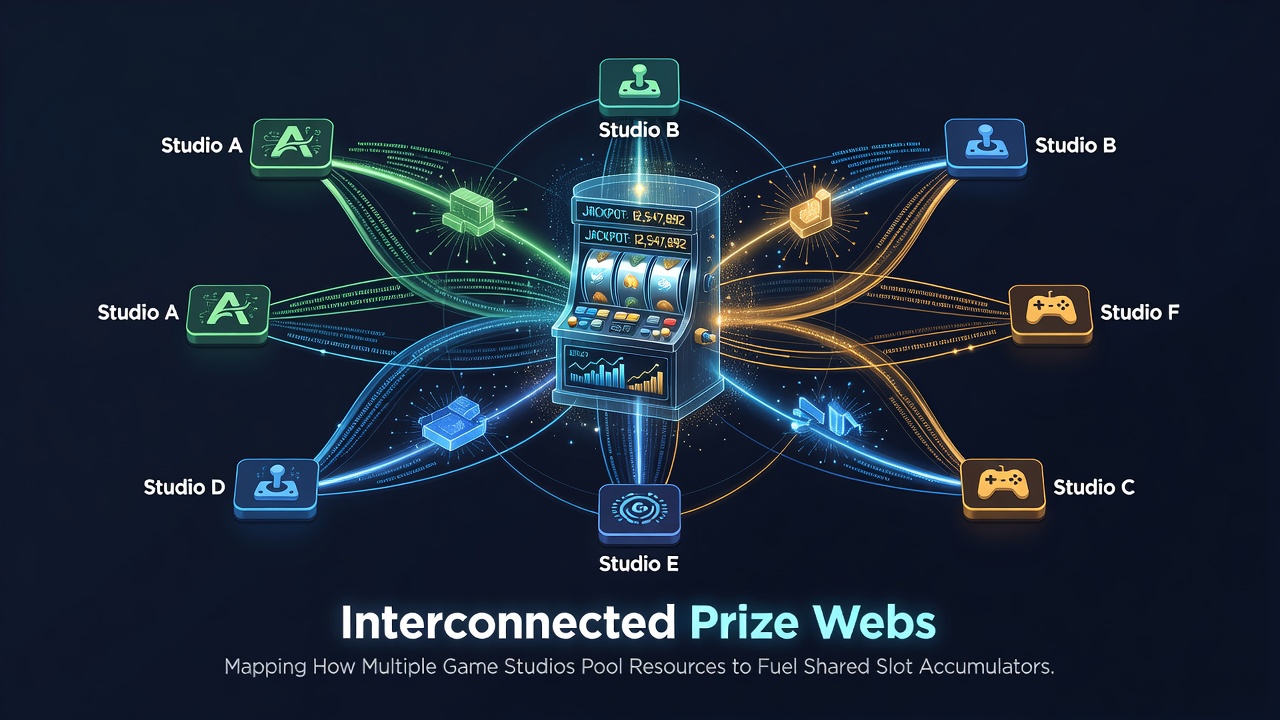
Studios contribute fixed percentages of wagers from participating slots into master accumulators managed by third-party providers or joint ventures, and this structure allows smaller developers to access prize levels typically reserved for larger operators. Observers note that agreements specify contribution rates, trigger conditions, and revenue splits, while technical standards ensure compatibility across various game engines and platforms. Researchers at gaming technology conferences have documented cases where five or more studios link titles simultaneously, creating webs that span dozens of individual games and multiple markets.
Network Structures and Mapping Techniques
Mapping these interconnected webs requires tracking contribution flows, ownership stakes, and jackpot reset values across participating entities, and analysts use data visualization tools to illustrate how bets on one studio's title accelerate growth in another's accumulator. Figures reveal that some networks operate on a tiered model with local, regional, and global pools, each drawing from different subsets of connected games. In July 2026 several providers expanded their mapping dashboards to include real-time contribution heat maps that highlight which studios feed the largest shares into specific jackpots.
Examples of Multi-Studio Collaborations
One documented arrangement involves European and North American developers pooling resources for a continental jackpot that resets at seven figures, and players trigger the prize through any of eight linked titles developed by four separate studios. Another network connects Asian and Australian operators through a provider that handles cross-border compliance while distributing contributions proportionally. Those who've examined these setups find that shared accumulators often reset more frequently than standalone progressives because combined player volume increases hit rates without requiring individual studios to shoulder full liability.
Technical and Regulatory Considerations
Implementation demands standardized RNG certification, secure data transmission protocols, and audit trails that satisfy multiple jurisdictions simultaneously, and providers often obtain certifications from bodies such as the Nevada Gaming Control Board to demonstrate compliance across borders. American Gaming Association reports outline how these shared systems undergo regular testing to verify that contribution percentages remain consistent regardless of which studio's game generates the wager. Yet technical integration challenges persist when different studios use proprietary platforms, requiring middleware layers that translate bet data into unified accumulator feeds.
Resource pooling also introduces questions around liability distribution when jackpots reach record levels, and contracts typically allocate responsibility based on contribution volume rather than equal shares. Data indicates that networks active in July 2026 incorporated dynamic weighting algorithms that adjust each studio's exposure according to recent player activity patterns.
Impact on Prize Growth and Player Reach
Shared accumulators grow faster than isolated ones because they aggregate bets across wider audiences, and this acceleration produces more frequent large payouts that draw attention from players on all connected platforms. Studies from the Australian Institute of Criminology examined how multi-studio networks affect average jackpot sizes over time, revealing measurable increases compared with single-developer progressives. Those monitoring these systems observe that smaller studios gain visibility when their titles sit alongside established brands in the same prize web.
Conclusion
Interconnected prize webs represent a structural shift in how game studios finance and deliver large slot prizes, and the mapping of these networks continues to evolve as more developers join existing pools or launch new collaborative arrangements. Resource pooling through shared accumulators enables broader participation while maintaining the technical and regulatory frameworks required for operation across multiple markets. As these systems mature, tracking contribution flows and ownership structures remains essential for understanding how individual games contribute to collective prize growth.