Integrating Live Dealer Streams with Progressive Jackpot Systems on Gambling Platforms
Written by Hugo Braun · Oct 13, 2026
Integrating Live Dealer Streams with Progressive Jackpot Systems on Gambling Platforms
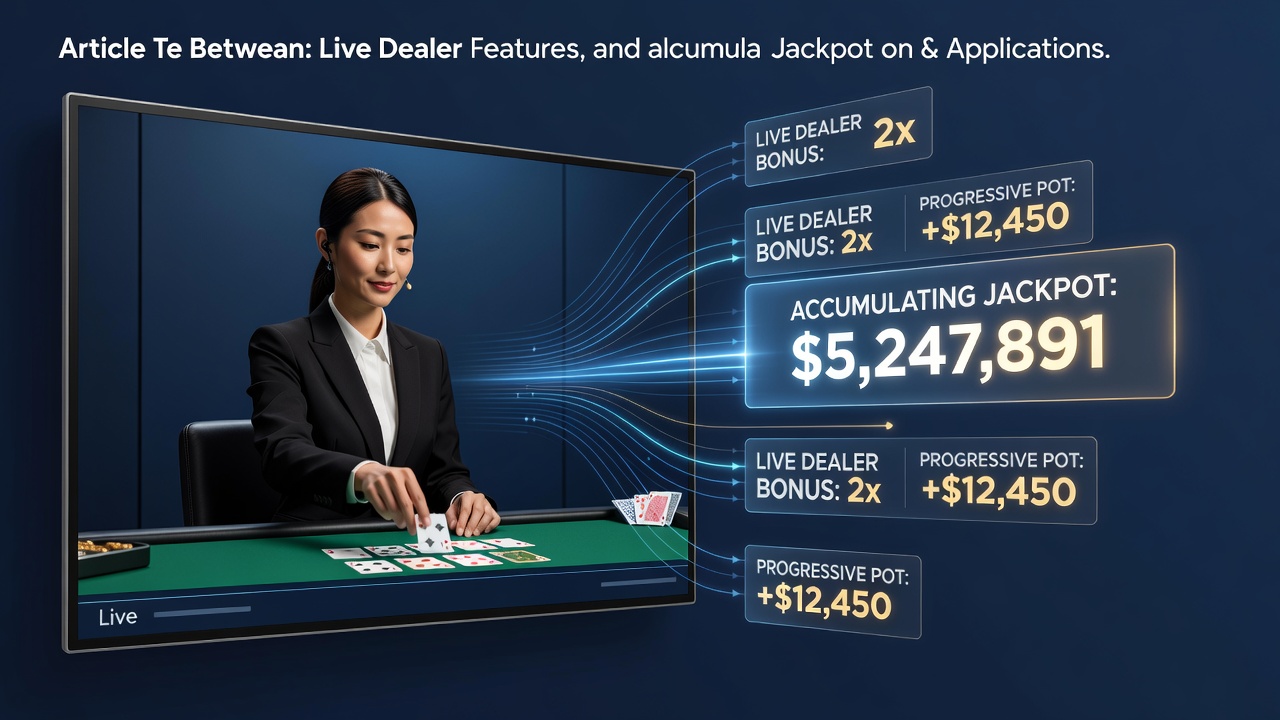
Live dealer features in gambling applications combine real-time video streams from physical tables with digital interfaces that allow players to place bets remotely, and these systems often connect to shared networks where progressive jackpots build from contributions across multiple users and locations. Observers note that the technology relies on secure streaming protocols and random number generators that sync with live outcomes, while jackpot pools grow through fixed percentages of each wager added to a central meter visible on player screens. Data from industry reports indicates that such integrations have expanded since the mid-2010s as mobile bandwidth improved and software providers developed hybrid titles that merge dealer interactions with accumulating prize mechanics.
Core Components of Live Dealer Setups
Live dealer platforms use multiple camera angles and optical character recognition software to transmit card shuffles, wheel spins, and chip placements directly to application users, and these feeds operate alongside chat functions that let participants communicate with dealers in real time. Researchers have documented how the setup maintains regulatory compliance through independent testing of game fairness, with contributions from each bet flowing into both the operator's revenue share and any linked progressive pools. Figures from the Nevada Gaming Control Board show steady adoption of live dealer technology in licensed jurisdictions, where operators must report pooled jackpot amounts separately from standard game revenues.
Mechanics Behind Accumulating Jackpots
Progressive jackpots on gambling applications accumulate when a small percentage of every qualifying bet across connected games adds to a shared total that resets only after a win occurs, and this process applies to both automated slots and certain live table variants that include side bets feeding the meter. Experts point out that network operators track contributions via centralized servers that update displays instantly for all participants, ensuring transparency while preventing any single venue from controlling the entire pool. Studies from academic sources on gambling technology reveal that jackpot triggers typically require specific hand combinations or bonus rounds, with payout frequencies varying by game volatility and player volume.
Combined Features in Mobile Applications
Gambling applications increasingly embed live dealer tables within the same interface that displays progressive jackpot meters, allowing users to switch between streamed roulette sessions and jackpot-linked side games without leaving the platform. This setup creates direct interplay because bets placed during live rounds can increment the accumulating total in real time, and software logs record each contribution for audit purposes. One documented case involves hybrid blackjack titles where a live dealer handles card distribution while an automated bonus wheel draws from the progressive pool, and data indicates these products see higher engagement during peak evening hours across different time zones.
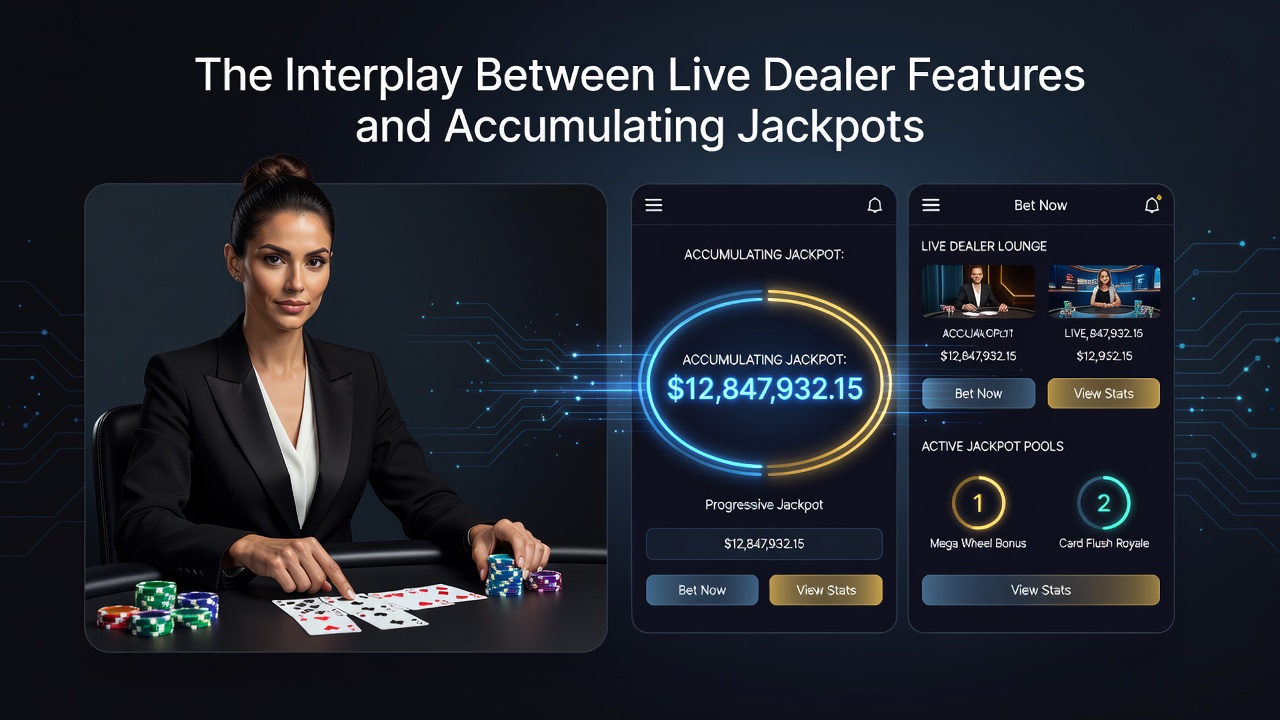
What's notable is how application developers synchronize the live stream latency with jackpot updates to avoid discrepancies that could affect player trust, and this requires robust server infrastructure capable of handling thousands of simultaneous connections. In October 2026 regulatory updates in several North American markets emphasized clearer disclosure of how live bets contribute to shared jackpots, prompting operators to refine their metering displays accordingly. Those who have examined transaction records find that cross-border pooling remains limited by local licensing rules, which often restrict jackpot participation to players within approved regions.
Technical and Regulatory Considerations
Software providers must ensure that live dealer RNG backups activate seamlessly if a stream interrupts, while jackpot contributions continue uninterrupted through the digital layer, and this dual-layer approach demands regular third-party audits. According to reports from the Australian Communications and Media Authority, operators in that region maintain separate ledgers for live game results and progressive accumulations to meet transparency requirements. People familiar with the systems describe the integration as a balance between human-operated elements and algorithmic prize growth, where each component operates under distinct compliance standards yet shares the same user interface.
Player Experience Patterns
Application analytics show that users often remain engaged longer when live dealer visuals accompany visible jackpot growth, as the combination provides both social interaction and the prospect of larger payouts. Research from university studies on digital gambling behavior indicates that mobile interfaces highlighting both features together lead to increased session durations compared with standalone versions, though exact figures depend on regional player demographics and game availability. Observers note that promotions tied to these hybrid offerings frequently reference current jackpot levels to draw attention without guaranteeing outcomes.
Conclusion
The connection between live dealer features and accumulating jackpots in gambling applications rests on shared network infrastructure, synchronized data feeds, and compliance frameworks that treat each element distinctly yet allow them to operate together. Evidence from regulatory bodies and technical analyses demonstrates ongoing refinements in how these systems handle contributions, displays, and player access across devices. As mobile platforms continue to evolve, the documented patterns of integration provide a clear record of how real-time streaming and progressive mechanics coexist within the same applications.