Cross-Platform Synchronization Powers Jackpot Growth in UK Licensed Gaming Networks
Written by Finley Müller · Jul 14, 2026
Cross-Platform Synchronization Powers Jackpot Growth in UK Licensed Gaming Networks
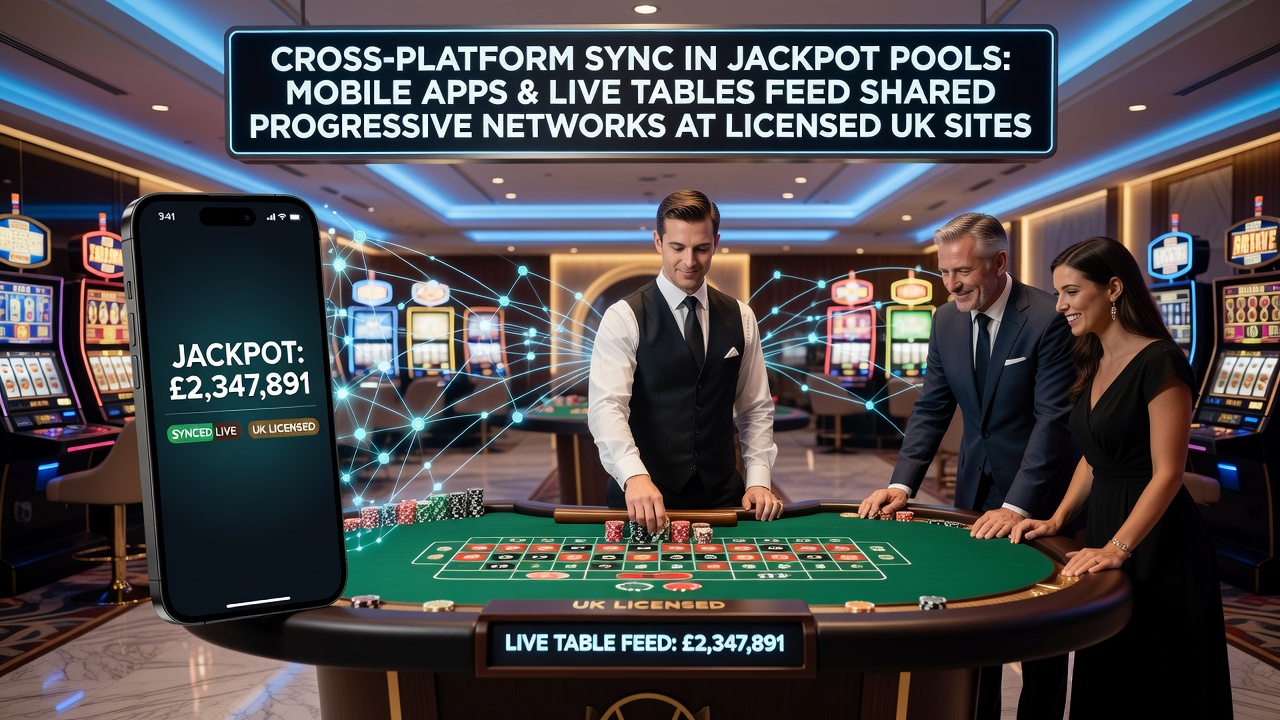
Cross-platform synchronization allows mobile apps and live dealer tables to contribute simultaneously to shared progressive jackpot pools at licensed UK sites, and this integration has become standard across multiple operators since the expansion of real-time data networks in the mid-2020s. Players place bets on slots via smartphones while others participate at physical or streamed live tables, yet both streams feed the same growing prize pool because backend systems reconcile contributions in milliseconds. Data from industry monitoring shows that such unified pools reached multi-million pound levels more frequently after synchronization protocols matured, with several networks recording peak contributions during evening peak hours when mobile and live traffic overlap.
Core Mechanics of Shared Progressive Pools
Progressive jackpot systems operate on a contribution model where a percentage of each qualifying bet increments the prize, and synchronization extends this process across device types and game formats. Licensed operators connect their platforms through secure APIs that transmit bet data to a central server, which then updates the jackpot meter visible on both mobile interfaces and live table displays. Observers note that this setup prevents fragmentation, so a single pool accumulates value regardless of whether the player uses an app or joins a live blackjack or roulette session that includes jackpot side bets. Technical standards require timestamp verification and encryption to maintain accuracy, ensuring no contribution is lost during cross-device handoffs.
Mobile Apps Feeding the Network
Mobile applications handle the majority of progressive slot play at UK licensed sites, and their role in jackpot pools has expanded as operators optimized apps for lower latency. When a user spins a connected slot title, the system deducts the contribution instantly and relays it to the shared ledger, often alongside thousands of simultaneous mobile sessions. Research from European gaming technology reports indicates that mobile-driven contributions account for over sixty percent of total progressive growth in multi-site networks, particularly during commute periods and late evenings. One operator's internal figures revealed that a single popular mobile progressive title collected more than £180,000 in contributions over a weekend in July 2026, illustrating how app traffic sustains pool momentum even when live table activity fluctuates.
Live Tables and Their Integration Role
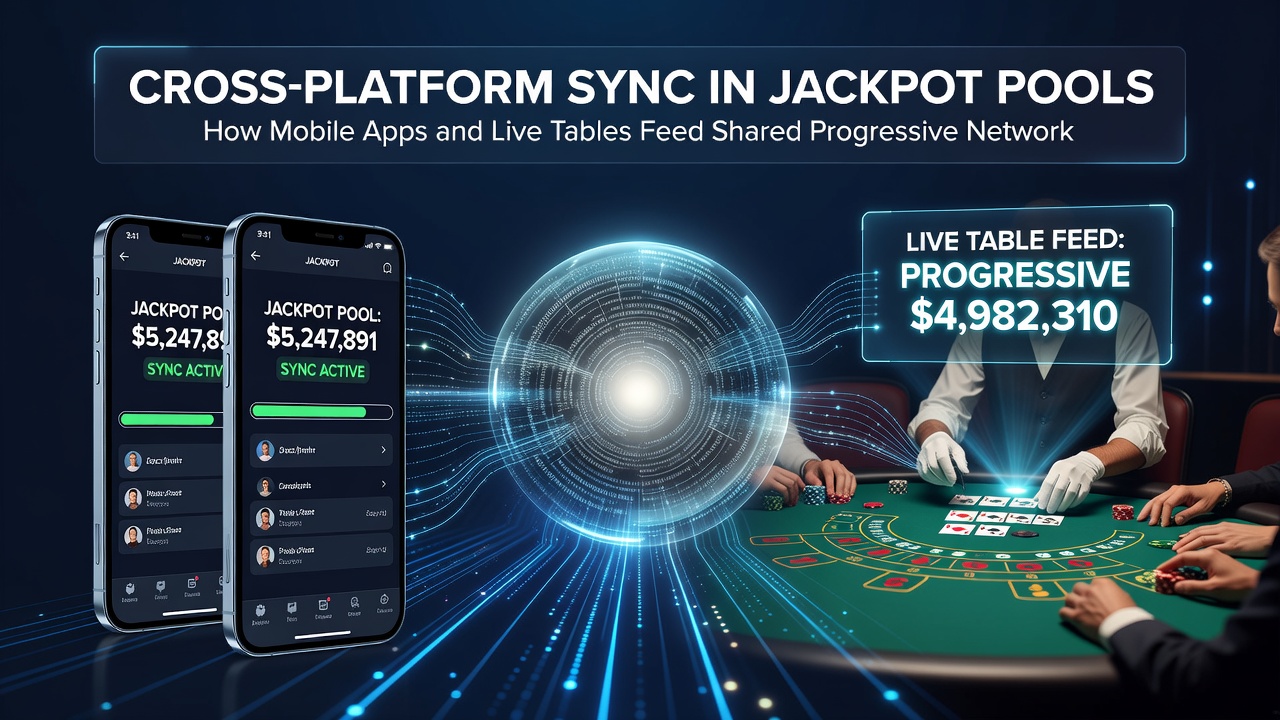
Live dealer tables contribute through side bets or dedicated progressive variants, and synchronization allows these wagers to join the same pool used by mobile slots. Dealers at studios process bets that the platform software automatically routes to the central jackpot server, creating a visible meter increase on both the table interface and remote player apps. This dual visibility encourages participation because players see the prize climbing in real time whether they are at home on a phone or watching the stream. Industry analyses from the European Gaming and Betting Association highlight that live table contributions add diversity to pool funding, since side-bet structures often carry higher contribution percentages than standard slot spins, accelerating growth during high-traffic periods.
Technical Synchronization Processes
Operators rely on distributed ledger-style reconciliation combined wth high-availability servers to keep mobile and live feeds aligned. When a mobile bet registers, the system broadcasts an update packet that live table software receives within the same cycle, preventing meter discrepancies. Redundancy measures include failover nodes that activate if primary connections drop, and audit logs capture every transaction for compliance verification. Those who manage these networks report that average synchronization latency sits below 200 milliseconds across major UK licensed platforms, a threshold that maintains player trust in the displayed jackpot value. Case examples from multi-operator consortia demonstrate that unified pools can incorporate new game titles without resetting existing contributions, preserving continuity for participants.
Regulatory Framework and Standards
Licensed UK sites must meet technical requirements set by Malta's gaming authority and similar bodies when operating synchronized progressive systems, and these rules emphasize transparency in contribution tracking and prize distribution. Independent testing labs certify the random number generators and contribution algorithms before deployment, while ongoing monitoring ensures no manipulation occurs across platforms. Figures from a 2025 industry report prepared for the Australian Communications and Media Authority revealed that jurisdictions with strict cross-platform audit standards experienced fewer jackpot disputes, a pattern that aligns with practices at UK-licensed operations. Operators publish payout percentages and pool allocation rules, allowing players to review how mobile and live contributions combine before participating.
Real-World Network Examples
Several licensed groups operate shared progressive networks that span dozens of titles across mobile and live formats. One consortium links five major operators so that a mobile slot player in one brand contributes to the same meter visible at live tables hosted by another brand within the group. Data shared among participants shows daily contribution volumes exceeding £2 million during peak months, with mobile devices providing the steadier baseline and live tables delivering spikes during promotional events. Observers have documented instances where a modest live table side bet triggered a six-figure payout that had been built primarily through thousands of smaller mobile contributions, demonstrating the pooled effect in action.
Future Developments in Cross-Platform Systems
Developments scheduled for late 2026 include enhanced API frameworks that will allow even faster reconciliation and support for additional game types such as hybrid live-mobile experiences. Research institutions examining gambling technology trends anticipate that further integration with wearable devices could expand contribution sources, though current licensed operations focus on refining existing mobile and live table linkages. Reports from the University of Nevada's gaming research center note that synchronized networks improve player retention metrics because visible, growing jackpots maintain engagement across sessions, a finding consistent with data collected at UK sites. Operators continue to invest in server infrastructure to handle increasing transaction volumes without compromising synchronization accuracy.
Conclusion
Cross-platform synchronization has established shared progressive networks as a core feature of licensed UK gaming operations, uniting mobile app play with live table activity under unified prize pools. The technical infrastructure, regulatory oversight, and contribution patterns together sustain larger jackpots that accumulate from diverse player bases. As networks evolve with new protocols and expanded device support, the fundamental model of real-time pooled contributions remains central to how these systems function at scale.