Britain's Interconnected Slot Networks: Mechanisms Behind Multi-Platform Progressive Prize Accumulation
Written by Jonas Becker · Aug 9, 2026
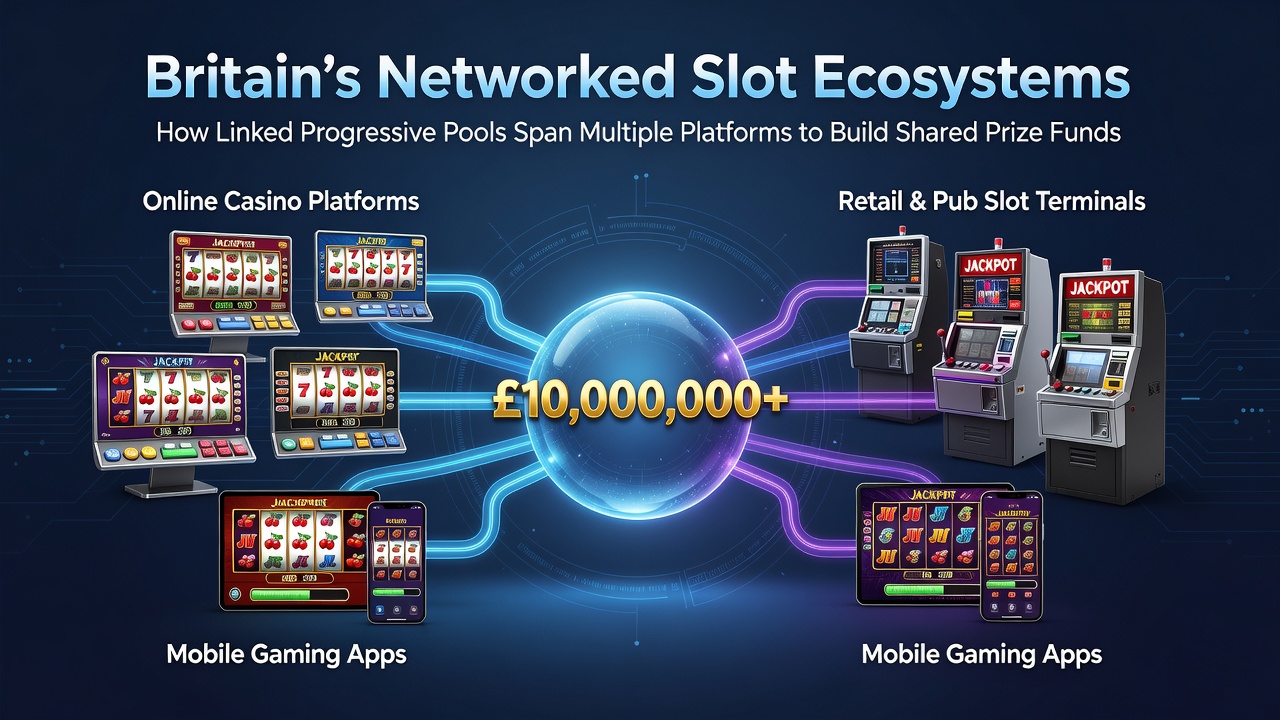
Britain's Interconnected Slot Networks: Mechanisms Behind Multi-Platform Progressive Prize Accumulation
Britain's slot ecosystems operate through interconnected progressive systems that draw contributions from numerous platforms into unified prize pools, and these networks rely on real-time data links between operators, software providers, and payment processors to track every eligible wager. Each spin on a participating machine or game interface adds a small percentage to the shared fund, which then grows across sites rather than remaining isolated to one venue or application. This structure allows prize amounts to reach levels unattainable by single-platform setups alone, and data from industry reports shows participation rates climbing steadily through 2026.
Core Architecture of Linked Progressive Systems
Software providers establish the technical backbone by embedding progressive meters into game engines that communicate with central servers managed by third-party aggregators, while operators integrate these engines into both online portals and land-based terminals under unified licensing frameworks. When a player places a bet, the system allocates a fixed portion—typically between 1 and 3 percent—to the pool, and this allocation occurs simultaneously across all connected endpoints regardless of whether the wager originates from a mobile app, desktop site, or retail terminal. Observers note that the architecture requires secure APIs and redundant data centers to maintain synchronization, and any disruption in one segment triggers failover protocols that preserve pool integrity.
Multiple operators often join the same progressive network under agreements that define contribution rates, payout triggers, and audit procedures, and these agreements ensure that every platform adheres to identical technical standards for meter updates. Research from academic sources on gambling systems indicates that such pooling mechanisms distribute risk while amplifying potential returns, and the model has expanded since earlier isolated jackpots gave way to regional and national linkages.
Contribution Flows and Prize Growth Dynamics
Contributions accumulate through continuous transaction streams where each eligible bet updates the central meter within milliseconds, and the total fund reflects activity from thousands of individual terminals and sessions at any given moment. Payouts occur when specific symbol combinations align on a single instance, yet the prize value itself derives from the collective pool rather than local play volume alone. Figures reveal that larger networks generate faster growth rates because more bets feed into the same meter, and this acceleration becomes especially visible during peak hours when participation spikes across platforms.

Seed amounts reset after each major payout, and network operators replenish these base levels from reserve accounts funded by prior contributions, which prevents the pool from starting at zero and maintains player engagement. Studies conducted by research institutions in Canada have documented similar reset patterns in multi-site systems, confirming that consistent seeding supports sustained activity across linked environments. As of August 2026, several British networks reported average daily growth increments exceeding previous yearly benchmarks due to increased cross-platform participation.
Platform Integration and Regulatory Oversight
Land-based venues and online operators connect to the same progressive pools through certified interfaces that comply with technical standards set by bodies such as the iGaming Ontario framework for interoperability testing. These connections undergo periodic audits to verify that contribution percentages match contractual terms and that no platform receives preferential access to meter data. European trade groups, including the European Gaming and Betting Association, have published guidelines on secure data exchange that many British networks reference when establishing new linkages.
Platform diversity within a single pool can include traditional slot cabinets in high-street locations alongside browser-based and app-based versions, and each format feeds the meter through distinct but compatible data pathways. Network administrators monitor contribution volumes by platform type to identify any imbalances, and adjustments to contribution rates occur only after collective operator approval. This collaborative approach keeps the system balanced while allowing individual platforms to retain their unique game libraries and user interfaces.
Conclusion
Britain's networked progressive slot systems demonstrate how shared prize funds emerge from coordinated contributions across multiple platforms, and the underlying infrastructure continues to evolve with advances in data synchronization and cross-operator agreements. Current figures indicate ongoing expansion of these linkages, with participation metrics reflecting broader adoption by both established and newer entrants in the market. The model relies on precise technical standards and transparent contribution rules that support prize accumulation at scale while maintaining operational continuity across diverse environments.